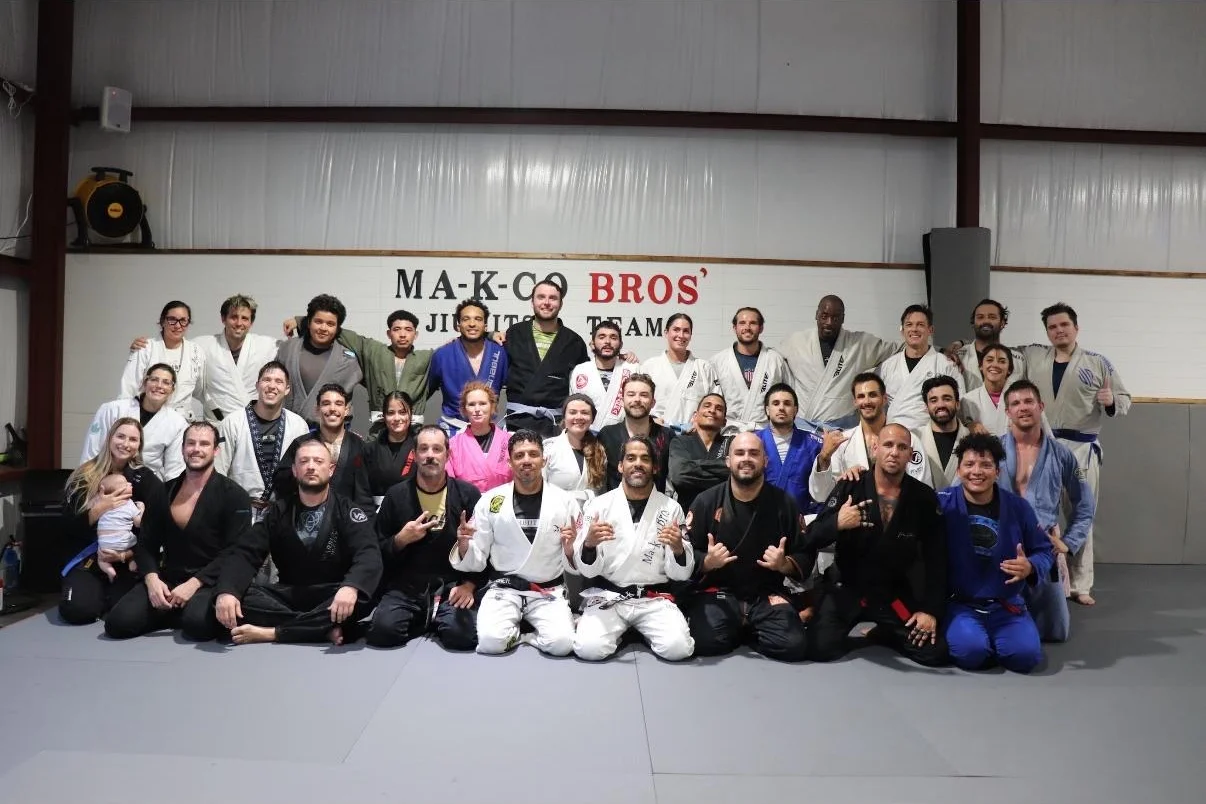
WHY DO SO MANY PEOPLE QUIT BJJ?
The honest reasons most white belts do not make it to blue, and the simple habits that keep the rest on the mats for years.
Walk into any Tampa BJJ academy and ask the higher belts one question: how many people did you start training with who are not still around? The honest answer is usually "most of them." Attrition in Jiu-Jitsu is real, but it is also almost entirely avoidable once you understand why it happens.
Reason #1: Ego
This is the single biggest reason adults quit. Getting tapped by someone smaller, older, or newer than you is a normal, constant part of training — but for people who tie their identity to being physically dominant, it can feel unbearable. Students who learn to separate their ego from the process of learning almost always stick around; students who cannot tend to quit within the first few months, usually right after a rough sparring session.
Reason #2: Inconsistent Attendance
Jiu-Jitsu has a uniquely steep early learning curve, and that curve only flattens out with regular reps. Students who train once every couple of weeks never build enough momentum to feel real progress, so every class feels like starting over. That lack of visible improvement is discouraging, and discouragement is what leads to quitting — not lack of talent. Students who commit to two consistent sessions a week almost always report feeling real progress within the first month.
Reason #3: Never Pushing Through the Awkward Beginner Phase
The first month of training is objectively the hardest part of the entire journey — you are gassed out constantly, you feel behind everyone else, and none of the positions make sense yet. Most people who quit do so during this exact window, right before things start clicking. Students who commit to training through that uncomfortable stretch, even when they feel behind, are the ones who end up sticking around for years.
Reason #4: Training Somewhere That Doesn't Fit
Not every gym culture fits every student. An academy that is overly competitive or ego-driven can burn out beginners fast, while a supportive, beginner-friendly environment tends to retain students far longer. If your current gym does not feel like a place built for people at your exact stage, it may be worth trying an Adult Fundamentals BJJ program specifically designed around coaching brand-new students patiently, rather than throwing them into the deep end.
Reason #5: Life Getting in the Way
Work, family, and injuries are real obstacles, and sometimes a break is genuinely necessary. The students who come back from a life-driven break tend to be the ones who set training as a low-pressure, recurring priority rather than an all-or-nothing pursuit — even one class a week during a busy season is enough to keep the habit alive until life opens back up.
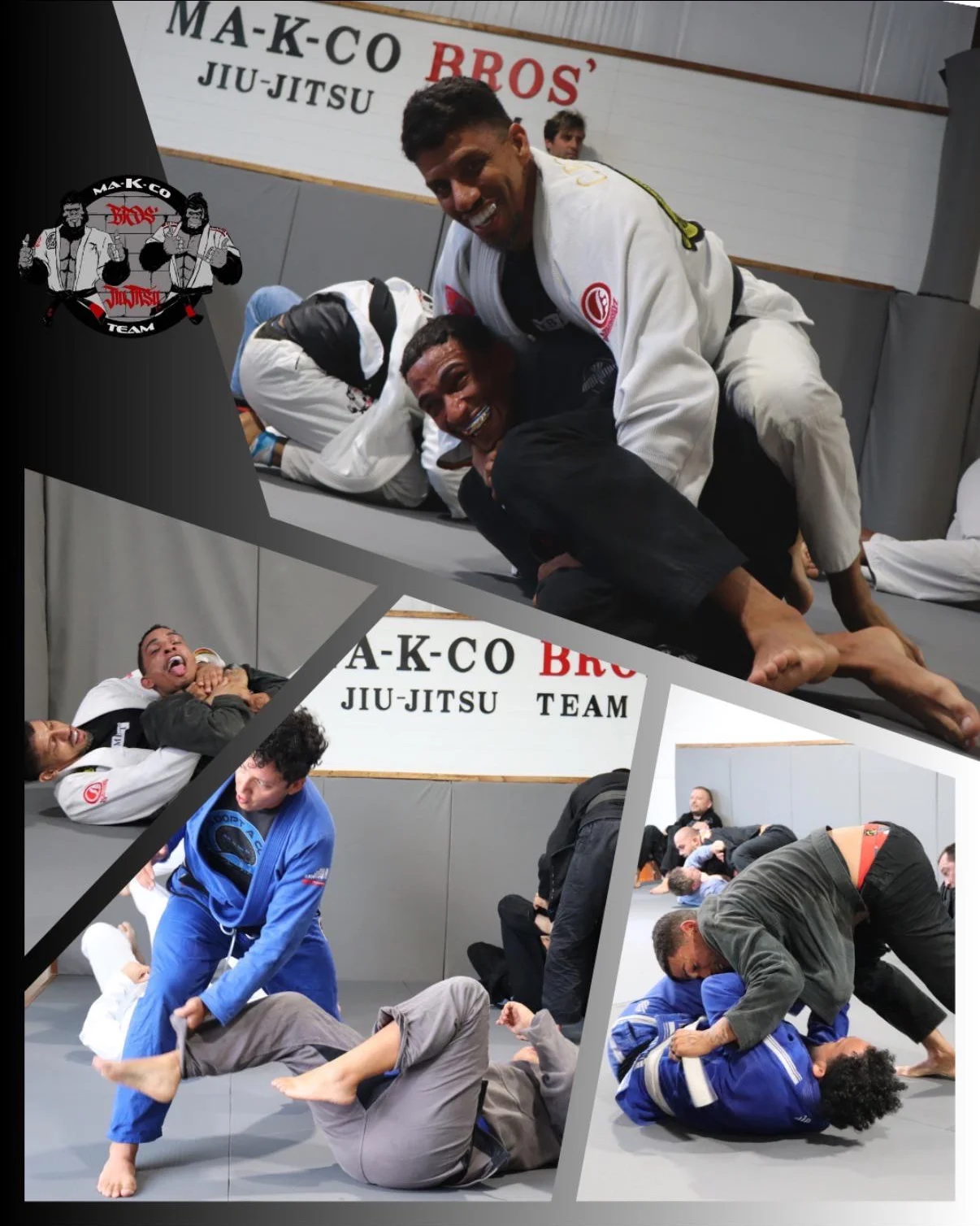
How to Avoid Becoming a Statistic
- Set a minimum, sustainable schedule. Two classes a week, every week, beats five classes for two weeks followed by a month off.
- Tap early and often. Protecting your ego is not the goal — protecting your body and your longevity in the sport is.
- Give yourself a real trial period. Commit to at least eight weeks before deciding whether Jiu-Jitsu is for you.
- Train with a supportive team. A good Tampa Jiu Jitsu academy culture makes an enormous difference in whether beginners stick around long enough to fall in love with it.
What Long-Term Students Have in Common
Almost every student who has trained for several years says some version of the same thing: they stopped measuring progress week to week and started measuring it in months and years instead. That mental shift — from "am I good yet" to "am I still showing up" — is really the entire difference between people who quit in month two and people who are still training a decade later.
Plateaus Are Normal — Not a Sign to Quit
Almost every student, regardless of talent level, hits a stretch somewhere around the six-month to one-year mark where progress seems to stall completely. Techniques that used to feel exciting start to feel routine, and the rapid improvement of the first few months slows down noticeably. This is one of the most common — and most misunderstood — points where people quit, because it feels like evidence that they have hit their ceiling. In reality, this plateau is simply part of the normal learning curve for any complex skill, and students who train through it consistently almost always break through to a new level of understanding within a few more months. Recognizing a plateau for what it is, rather than treating it as a verdict on your potential, is one of the most reliable predictors of who keeps training long-term.
The Bottom Line
The most common reasons people quit BJJ are ego, inconsistent attendance, and never pushing through the awkward beginner phase long enough to feel real improvement. Training with a supportive, beginner-friendly team at a BJJ Tampa academy dramatically improves the odds of sticking with it — and most people who make it past the first two months end up training for years.
Sticking With BJJ FAQ
The most common reasons are ego bruises from getting tapped by smaller or newer training partners, inconsistent attendance that stalls progress before it feels rewarding, and life simply getting in the way before the habit sticks. Very few people quit because they are "bad at it" — almost everyone is bad at it for the first several months.
It is the principle that roughly 80% of your progress comes from a small set of fundamental positions, escapes, and high-percentage techniques. Students who drill the core fundamentals relentlessly tend to progress faster and stay more motivated than students chasing flashy, low-percentage moves early on.
Not effectively. BJJ depends on live feedback from a resisting partner and a coach correcting your details in real time. Students who try to learn purely from videos tend to develop bad habits that are hard to unlearn later — a structured class with real training partners gets you further, faster, and more safely.
More From The Blog
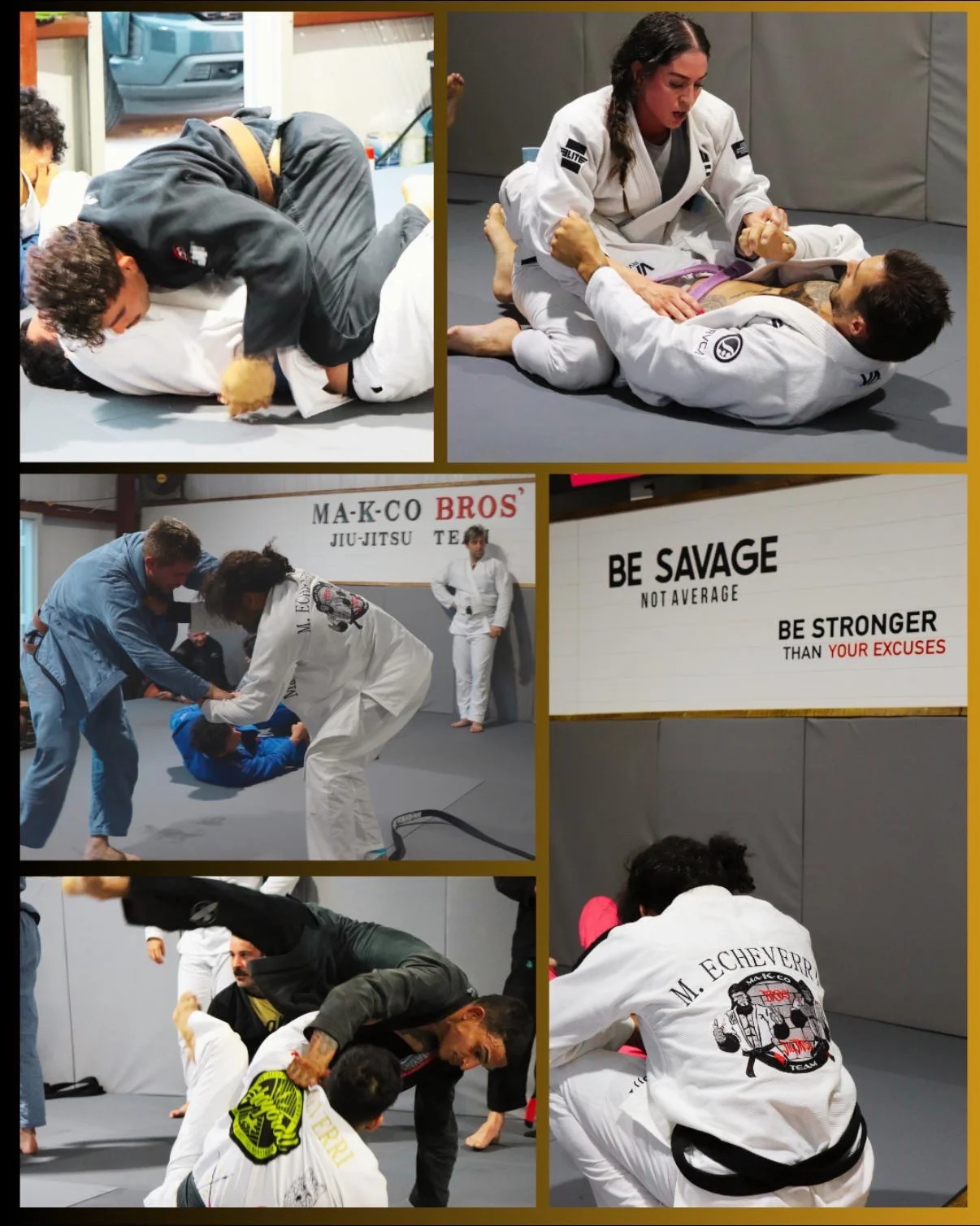 Getting Started
Is BJJ Hard for Beginners? What to Expect
Starting BJJ feels intimidating from the outside. Here is an honest look at the learning curve, the first-class jitters, and why almost everyone survives it.
Read More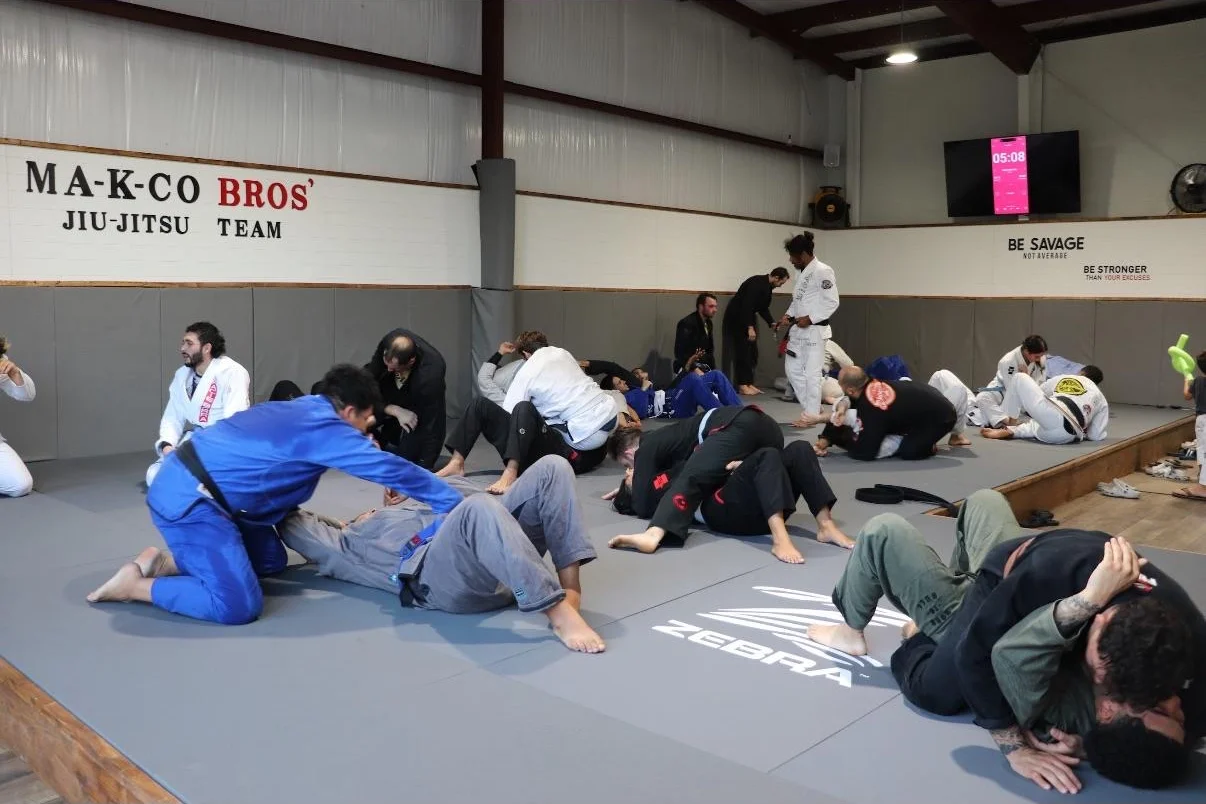 Benefits
7 Real Benefits of Brazilian Jiu-Jitsu (Beyond Just Fitness)
What BJJ actually does for your body and your stress levels, and how much training it really takes to feel the difference.
Read More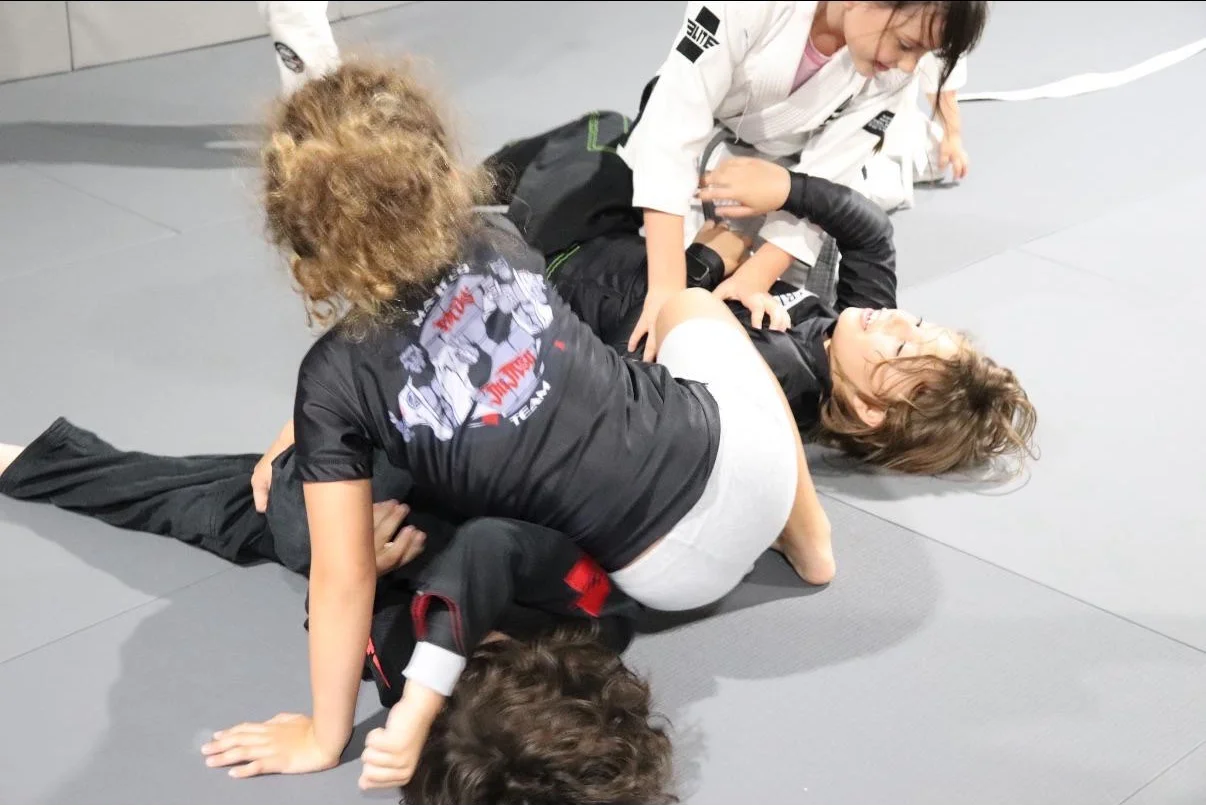 Kids BJJ
Is Jiu-Jitsu Worth It for Kids? Benefits & Age
From anti-bullying skills to real discipline, here is what parents should know before enrolling a kid in Jiu-Jitsu.
Read MoreClaim Your Free Trial Class
One free class. No contract, no pressure, no sales pitch on the mat. Tell us a little about yourself and we'll get you booked into the right class.
- A free, no-obligation trial class in the program that fits you
- Loaner gi available — just show up in comfortable clothes
- Beginner-friendly coaching — you will not get thrown to the wolves
- No contracts. Month-to-month, cancel anytime.
You're Booked In Spirit!
Thanks — we got your request and we'll reach out within one business day to lock in your free class. Can't wait? Call us at (813) 819-6652.
Your First Class Is On Us
Walk in a stranger, leave part of the team. Book your free trial or call the academy directly — we'll get you on the mats this week.
(813) 819-6652