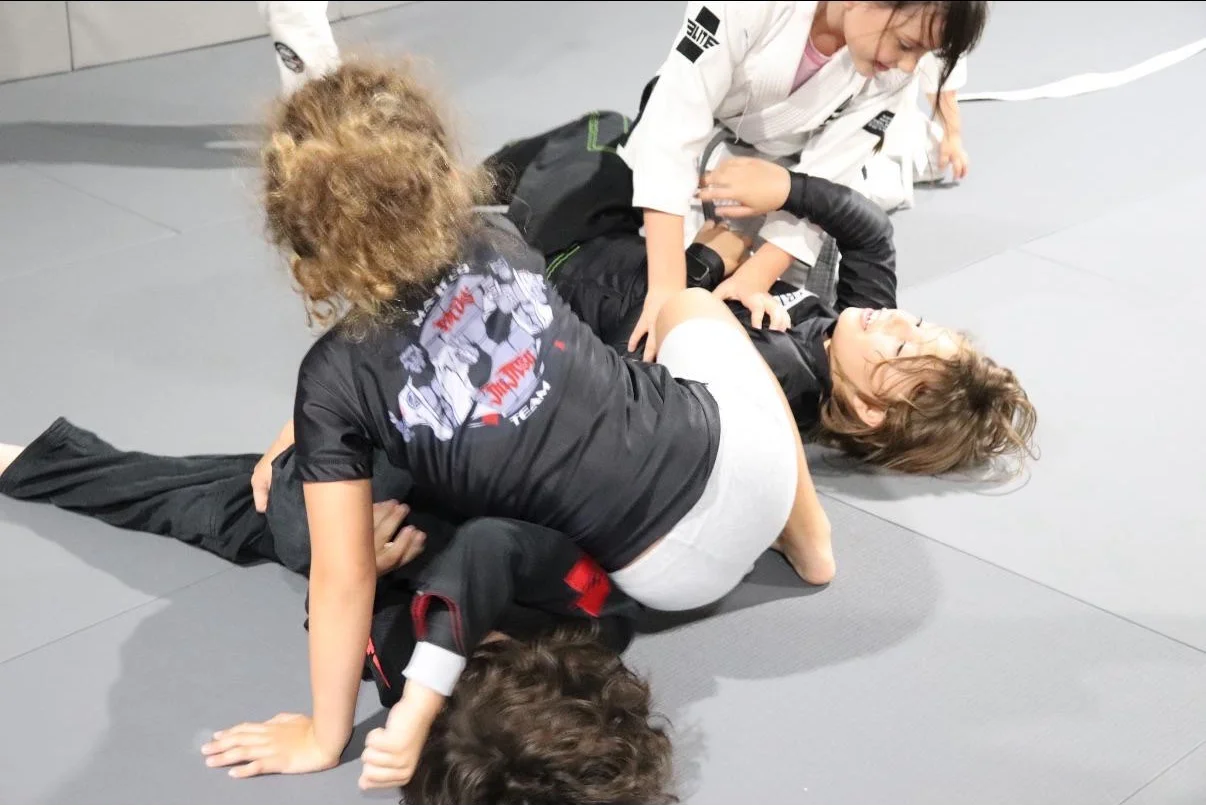
IS JIU-JITSU WORTH IT FOR KIDS?
Benefits, the best age to start, and what parents should really expect from a kids BJJ class.
Parents researching a Tampa BJJ program for their kids usually have the same short list of questions: is my child actually going to benefit from this, what age should they start, and will they even stick with it? Here is a straightforward answer to all three, based on what we see with kids on our own mats week after week.
Is Jiu-Jitsu Worth It for Kids?
Yes — and usually for reasons that have very little to do with fighting. Kids Jiu-Jitsu builds focus, listening skills, and the ability to handle frustration productively, all inside a structured, coach-led environment. Because progress is measured in small, visible steps (stripes, then belts), kids get frequent, tangible feedback that keeps them motivated in a way that open-ended activities often do not.
Real Anti-Bullying Skills
One of the biggest draws for parents is the anti-bullying angle, and it holds up. Kids who train BJJ learn how to create space, control an aggressor, and de-escalate a physical confrontation without needing to strike anyone — which matters enormously in a school setting where hitting another child usually gets a kid suspended regardless of who started it. Just as important is the confidence that comes from knowing they can protect themselves if they ever truly need to, which often reduces the likelihood they are targeted in the first place.
What Is a Good Age for a Kid to Start Jiu-Jitsu?
Most academies, including ours, start structured kids' classes around age four, with programs typically split by age and skill level so a six-year-old is not rolling with a twelve-year-old. Younger kids (roughly ages 4-7) benefit most from classes focused on listening skills, body awareness, and basic movement patterns rather than technical grappling. Once kids hit around age 8-9, most programs start introducing more specific technique and light, controlled partner work. There is no hard cutoff where it becomes "too late" to start — plenty of kids begin at 10, 12, or later and catch up quickly.
Is Jiu-Jitsu a Good Workout for Kids?
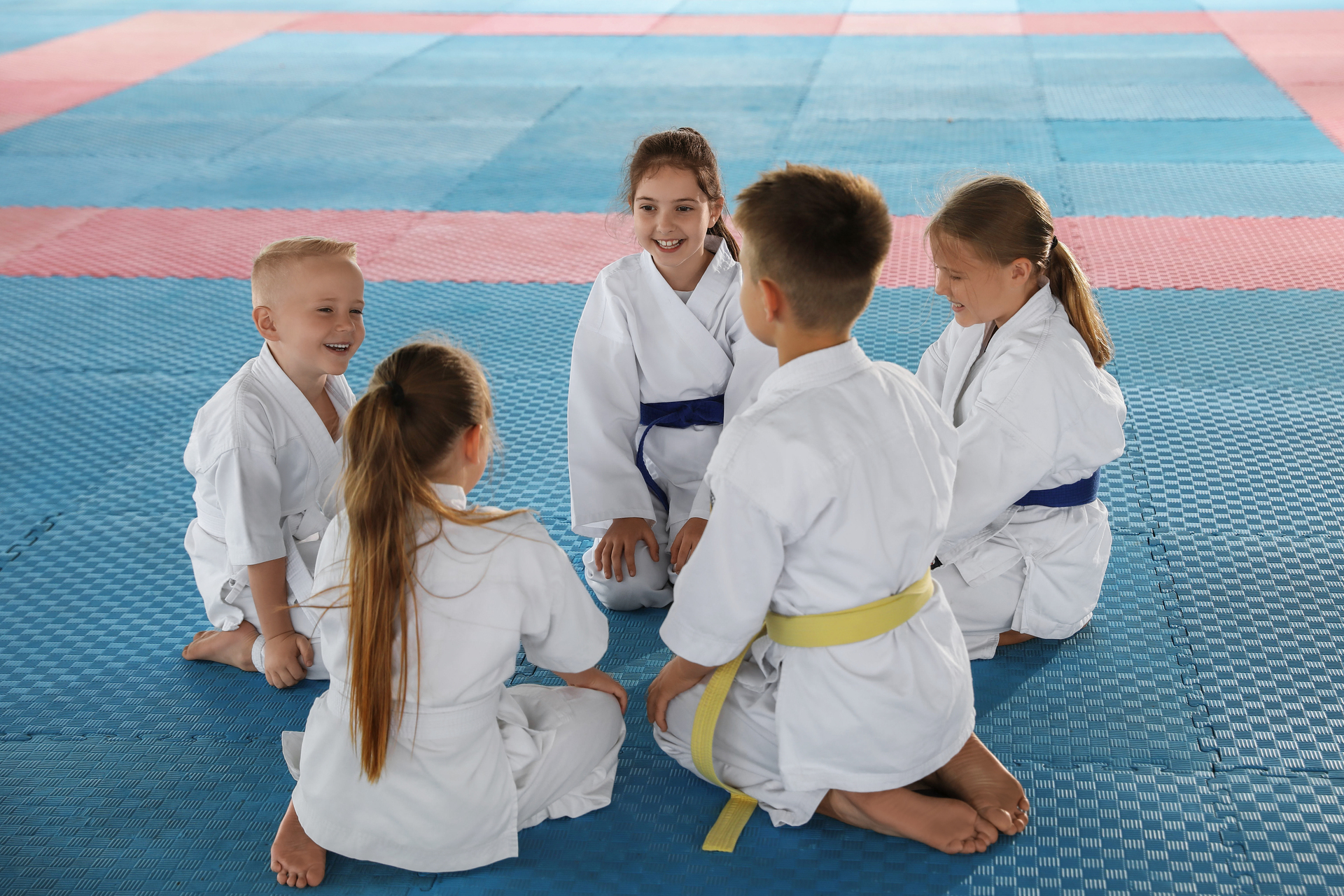
Absolutely. Kids' classes are structured around games, drills, and partner exercises that build coordination, balance, and cardiovascular fitness without feeling like a workout. In an era where many kids get very little unstructured physical activity, an hour of grappling-based movement two or three times a week makes a meaningful difference in overall fitness, sleep quality, and even classroom behavior, according to feedback we hear constantly from parents.
Why Do Kids Quit Jiu-Jitsu?
The most common reasons kids drop Jiu-Jitsu are avoidable: inconsistent attendance that keeps them from ever feeling like they are improving, being placed in a class that is not age-appropriate, or parents expecting overnight results and pulling them out during a normal plateau. Kids who attend consistently for at least two to three months, in a class matched to their age group, rarely want to quit — most start asking to go more often, not less.
What a Kids Class Actually Looks Like
Expect a warm-up game, a technique breakdown broken into simple, repeatable steps, some light partner drilling, and often a fun game at the end that reinforces the day's lesson without the kids realizing they are still training. Coaches in a good Kids BJJ program are trained specifically to work with children, not just adults — the coaching style, pacing, and discipline structure are completely different from an adult fundamentals class, and that distinction matters a lot for how quickly kids buy in.
How Parents Can Help Kids Stick With It
- Commit to a minimum trial period. Give it at least a month of consistent attendance before judging whether your child likes it.
- Avoid over-praising belt promotions alone. Praise effort and consistency, not just stripes, so kids don't equate their worth with rank.
- Talk to the coaches. A good academy wants to hear about anything happening at school or home that might affect how your child is training.
- Let them own it. Kids who feel like Jiu-Jitsu is "their thing," not a parent-imposed activity, stick with it far longer.
What About Kids Who Are Shy or Not Naturally Athletic
Some of the biggest transformations we see are in kids who are naturally quiet or hesitant in group settings. Jiu-Jitsu does not reward being the loudest or most naturally gifted athlete in the room — it rewards showing up and being coachable, which levels the playing field for kids who might get overlooked in ball sports. Coaches pair kids thoughtfully during partner drills, and most academies build in enough individual attention that a shy or less athletic child never feels lost in the shuffle. Parents are often surprised at how much a quieter kid opens up after a few months of consistent training.
The Bottom Line
Kids Jiu-Jitsu builds real physical fitness, genuine self-defense skills, and a level of discipline and confidence that tends to show up everywhere from the classroom to the dinner table. If you are trying to decide whether it's right for your child, the best way to find out is a free trial class at a Tampa Jiu Jitsu academy that runs a dedicated, age-appropriate kids program rather than mixing kids into adult classes.
Kids Jiu-Jitsu FAQ
For most families, yes. Beyond the physical exercise, kids build real discipline, anti-bullying skills, and confidence in a structured, coach-led environment. It gives kids a healthy outlet, a sense of achievement through belt progress, and a team of training partners their own age.
The most common reasons are the same as with adults: inconsistent attendance breaking the habit, classes that are not age-appropriate or engaging, or a training environment that feels intimidating instead of fun. Age-split classes with coaches who understand how kids learn make a big difference in keeping them motivated long-term.
Many academies start taking kids as young as 4, usually in a separate class from teens and adults. Around age 4-6, classes tend to focus on coordination, listening skills, and fun introductory movement; by 7 and up, kids can start learning more technical positions and controlled live drilling.
Yes. It builds coordination, core strength, balance, and cardiovascular fitness through games and drills that keep kids engaged, rather than repetitive exercises. Most kids do not even realize how much of a workout it is because the class is structured to feel like organized play.
More From The Blog
 Getting Started
Is BJJ Hard for Beginners? What to Expect
Starting BJJ feels intimidating from the outside. Here is an honest look at the learning curve, the first-class jitters, and why almost everyone survives it.
Read More Benefits
7 Real Benefits of Brazilian Jiu-Jitsu (Beyond Just Fitness)
What BJJ actually does for your body and your stress levels, and how much training it really takes to feel the difference.
Read More Training
Gi vs No-Gi Jiu-Jitsu: Which to Try First?
Grips, pace, and realism: a breakdown of how gi and no-gi training differ and which one fits your goals.
Read MoreClaim Your Free Trial Class
One free class. No contract, no pressure, no sales pitch on the mat. Tell us a little about yourself and we'll get you booked into the right class.
- A free, no-obligation trial class in the program that fits you
- Loaner gi available — just show up in comfortable clothes
- Beginner-friendly coaching — you will not get thrown to the wolves
- No contracts. Month-to-month, cancel anytime.
You're Booked In Spirit!
Thanks — we got your request and we'll reach out within one business day to lock in your free class. Can't wait? Call us at (813) 819-6652.
Your First Class Is On Us
Walk in a stranger, leave part of the team. Book your free trial or call the academy directly — we'll get you on the mats this week.
(813) 819-6652