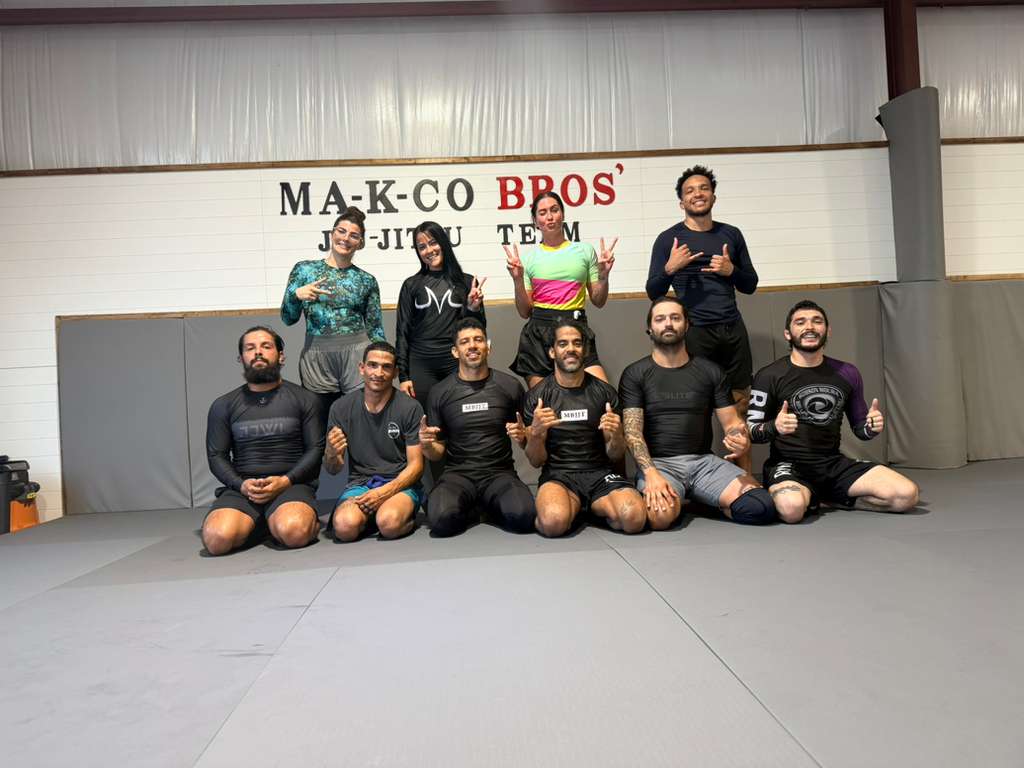
GI VS NO-GI JIU-JITSU
Grips, pace, and realism — how the two styles differ, and which one you should try first.
One of the first decisions new students face at any Tampa BJJ academy is whether to train gi, no-gi, or both. Both are legitimate, both are effective, and the "right" answer depends heavily on your goals. Here is an honest breakdown of the differences.
What's Actually Different
Gi Jiu-Jitsu is trained in the traditional heavy cotton uniform, which adds friction and a huge number of grip options — collar chokes, sleeve control, lapel guards — that simply do not exist without fabric to grab. No-Gi is trained in rashguards and shorts, which speeds the pace up considerably since there is far less to grip, forcing a bigger emphasis on underhooks, overhooks, and body positioning instead of clothing grips.
Is It Better to Train Gi or No-Gi?
Neither is objectively "better" — they develop different strengths. Gi training tends to build a more methodical, control-based game and forces you to be technically precise since a poor grip fight leaves you stuck. No-Gi tends to build faster scrambles, better takedown-to-ground transitions, and a style that translates directly to MMA. Most competitive grapplers train both, using gi to sharpen control and no-gi to sharpen speed and wrestling.
Which Is Harder — Gi or No-Gi?
This gets debated constantly, and honestly it depends on your build and background. No-Gi is often considered more physically taxing because the pace is faster and there are fewer places to stall the action — you are constantly moving, hand-fighting, or scrambling. Gi is often considered more technically demanding because grips create far more possible positions and counters to memorize, and stalling is easier if you don't know how to break a stubborn grip fight. Wrestlers and judo athletes often find no-gi more intuitive early on, while people who enjoy methodical, chess-like problem solving often prefer the gi.
Is Gi or No-Gi More "Realistic" for Self-Defense?
This is one of the more practical questions people ask, since most real confrontations do not involve someone wearing a heavy cotton jacket. No-Gi arguably mirrors a street clothing scenario more closely, but gi training still builds the underlying positional and control skills — dominant position, base, and escapes — that transfer regardless of what your attacker is wearing. In practice, students who train both come away the most well-rounded for self-defense purposes.
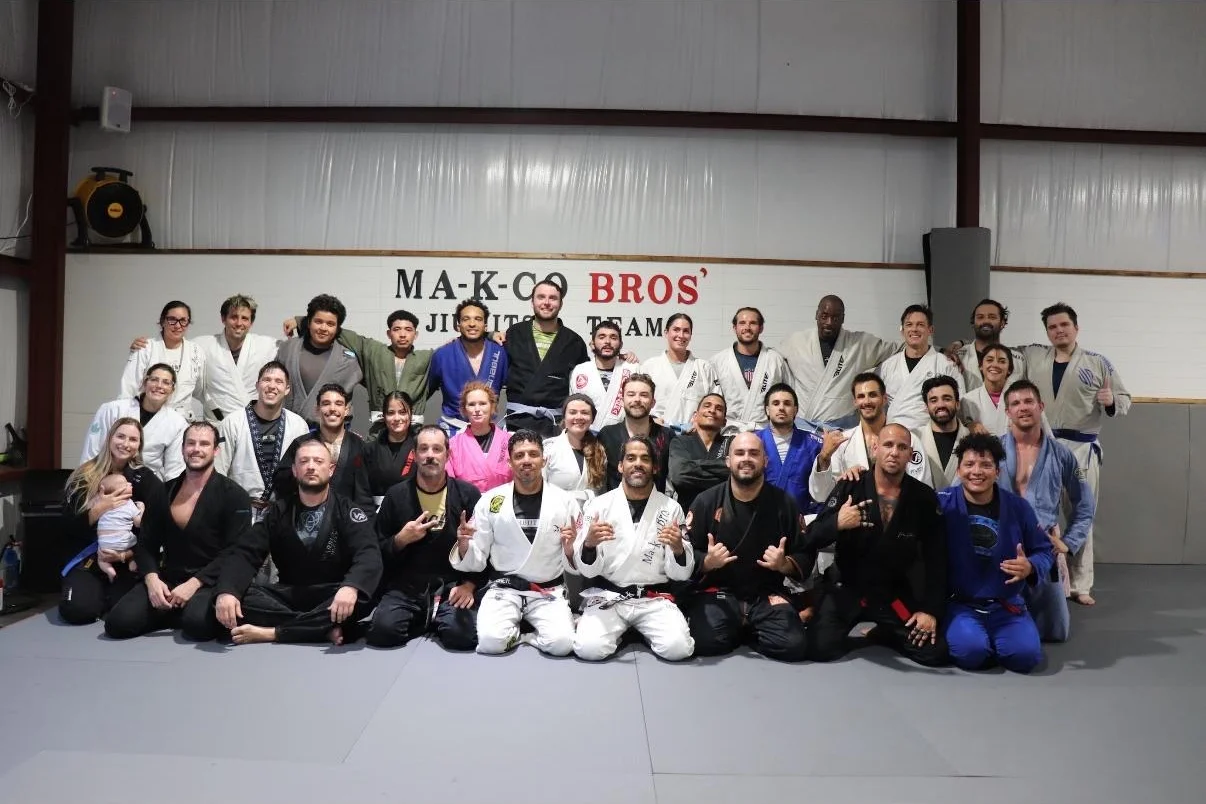
Which Should You Start With?
If your gym offers both, there is real value in starting with gi. The friction of the uniform naturally slows things down, which makes it easier for brand-new students to actually think through positions rather than relying on speed and athleticism to survive. Once you have a foundation, adding No-Gi & Wrestling BJJ classes rounds out your game and exposes you to a faster, scramble-heavy pace that gi-only students sometimes struggle with early on.
Training Both at a Tampa Academy
Most serious students eventually train a mix of both styles rather than picking one permanently. Our schedule includes dedicated Advanced Gi BJJ sessions for students who want to deepen their technical, grip-based game, alongside no-gi and wrestling-focused classes for students chasing a faster, MMA-relevant style. Training at a BJJ Tampa gym that offers both means you are never stuck choosing one game permanently — you can shift emphasis as your goals change, whether that is competition, self-defense, or general fitness.
Gear Differences You Should Know Before Your First Class
Gi training requires a Jiu-Jitsu gi (jacket, pants, and belt), which most academies will loan you for your first few visits so you are not stuck buying gear before you know if you even like the sport. No-Gi training just requires a rashguard and grappling shorts or spats — no cotton uniform involved. If you are brand new, do not worry about buying anything before your trial class; comfortable athletic clothes are enough to get started, and staff can point you toward appropriate gear once you decide to stick around.
How Competitions Differ
Major organizations like IBJJF run separate gi and no-gi divisions, and many competitors choose to specialize in one format rather than splitting focus evenly. Gi competitions tend to move at a slightly slower, more positional pace because of the grip fighting involved, while no-gi divisions — including popular formats like ADCC-style rulesets — tend to reward speed, wrestling takedowns, and leg-lock systems more heavily. If competition is a goal, it is worth training the specific format you plan to compete in several times a week in the months leading up to an event, even if you normally train a mix of both.
The Bottom Line
Gi and no-gi are two dialects of the same language, not two different sports. Gi tends to build patience, grip fighting, and precise control; no-gi tends to build speed, scrambling, and wrestling instincts. The best approach for most students is not choosing one forever, but training both over time to become a genuinely complete grappler.
Gi vs No-Gi FAQ
Neither is objectively better — they build different skills. Gi training sharpens grip fighting, control, and slower, technical positioning, while no-gi builds speed, scrambles, and pace. Most serious grapplers eventually train both, since each one covers gaps the other leaves.
Gi is often considered technically harder to learn at first because of the extra grips and control options, which slows the pace and rewards patience. No-gi tends to be more physically demanding because matches move faster and there is less friction to control an opponent, so athleticism plays a bigger role.
No-gi is generally considered closer to a real self-defense or MMA scenario, since most people are not wearing a heavy woven jacket in daily life. That said, gi training still teaches transferable control and grip concepts — a shirt collar or jacket in real life functions similarly to gi grips.
More From The Blog
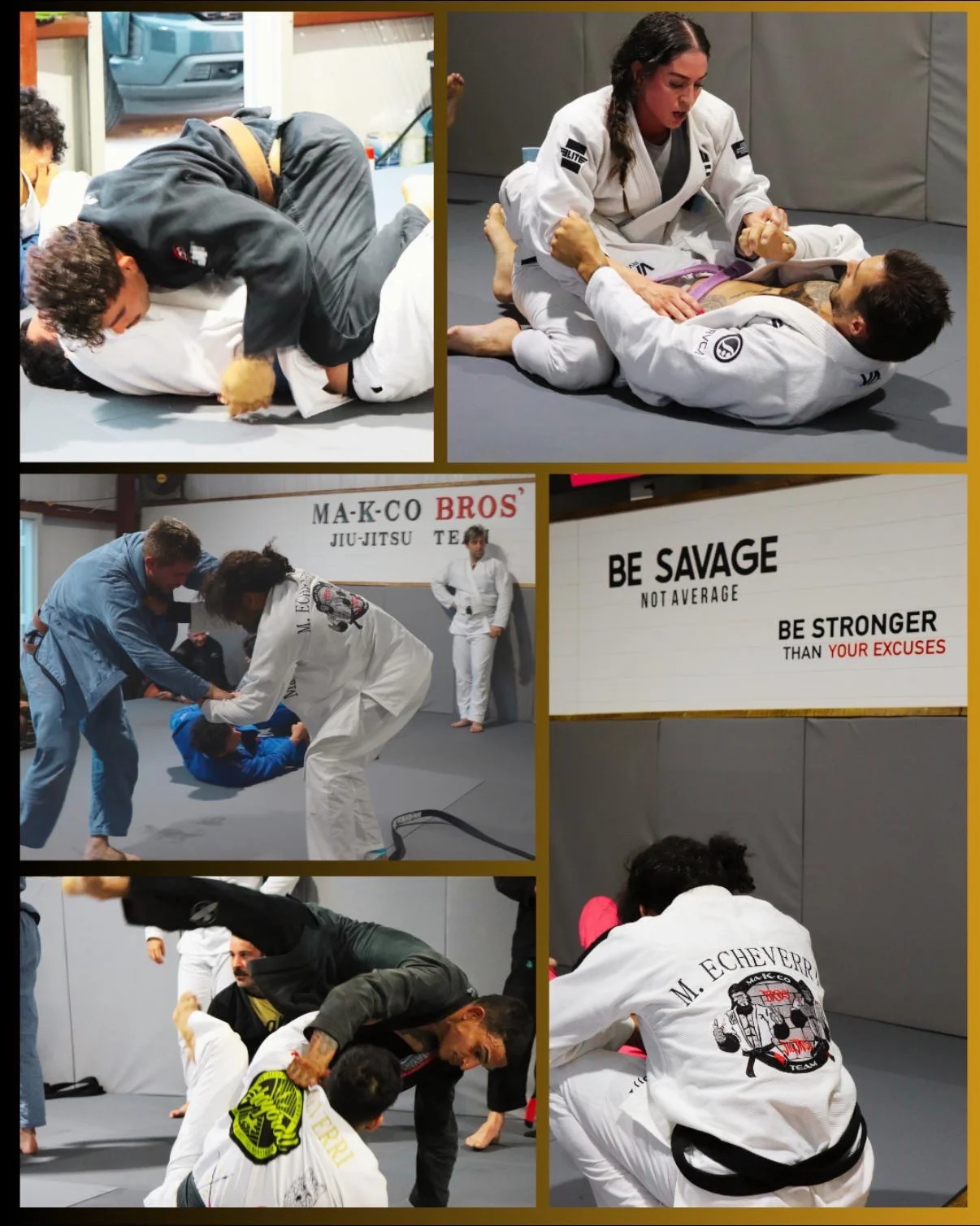 Getting Started
Is BJJ Hard for Beginners? What to Expect
Starting BJJ feels intimidating from the outside. Here is an honest look at the learning curve, the first-class jitters, and why almost everyone survives it.
Read More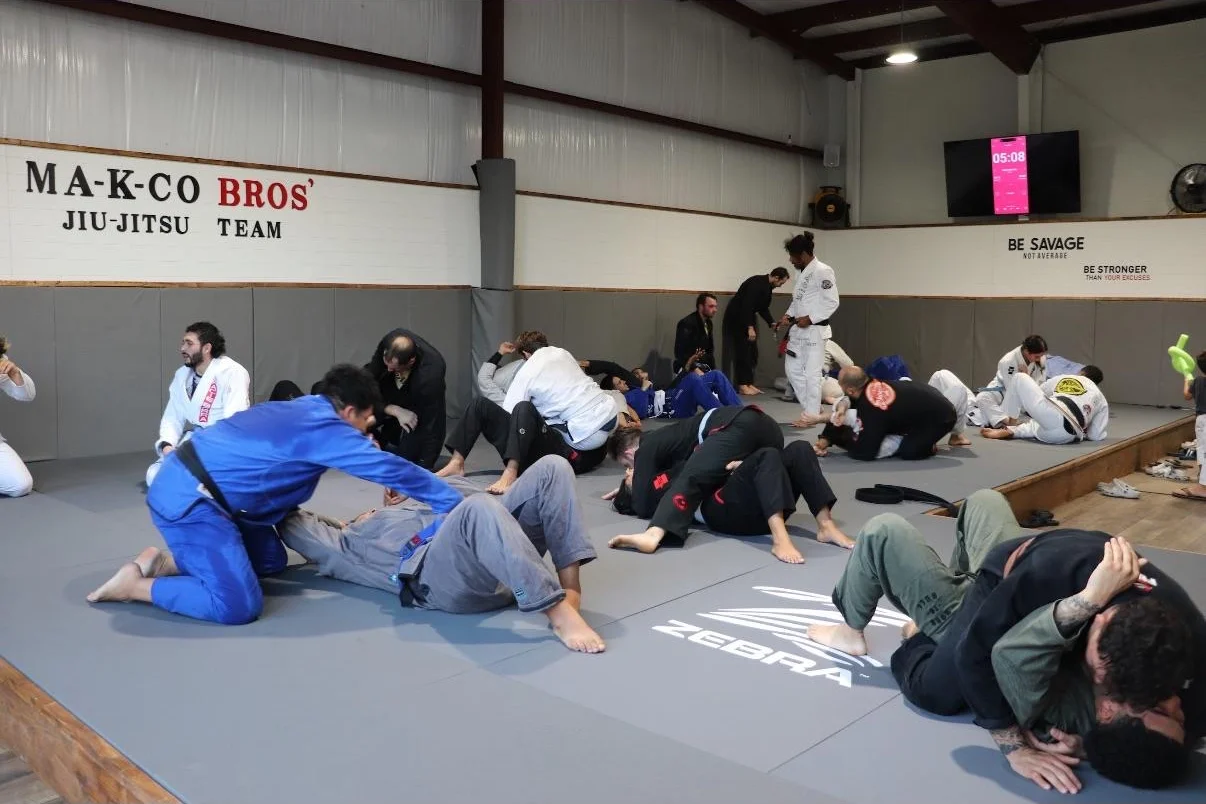 Benefits
7 Real Benefits of Brazilian Jiu-Jitsu (Beyond Just Fitness)
What BJJ actually does for your body and your stress levels, and how much training it really takes to feel the difference.
Read More Kids BJJ
Is Jiu-Jitsu Worth It for Kids? Benefits & Age
From anti-bullying skills to real discipline, here is what parents should know before enrolling a kid in Jiu-Jitsu.
Read MoreClaim Your Free Trial Class
One free class. No contract, no pressure, no sales pitch on the mat. Tell us a little about yourself and we'll get you booked into the right class.
- A free, no-obligation trial class in the program that fits you
- Loaner gi available — just show up in comfortable clothes
- Beginner-friendly coaching — you will not get thrown to the wolves
- No contracts. Month-to-month, cancel anytime.
You're Booked In Spirit!
Thanks — we got your request and we'll reach out within one business day to lock in your free class. Can't wait? Call us at (813) 819-6652.
Your First Class Is On Us
Walk in a stranger, leave part of the team. Book your free trial or call the academy directly — we'll get you on the mats this week.
(813) 819-6652