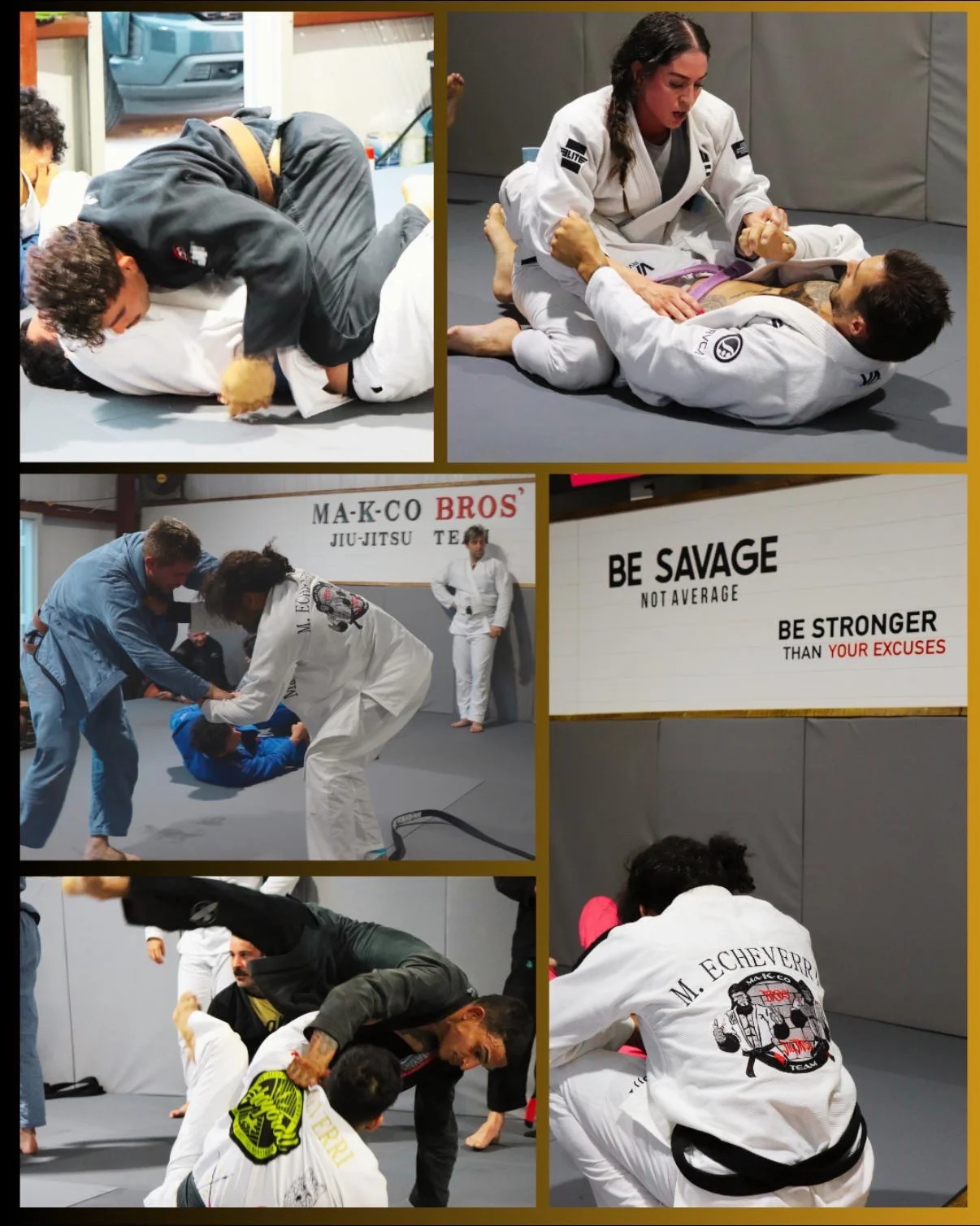
IS BRAZILIAN JIU-JITSU HARD FOR BEGINNERS?
An honest look at the learning curve, the first-class jitters, and why almost everyone who shows up consistently ends up glad they started.
If you have ever stood outside a gym window watching a Brazilian Jiu-Jitsu class and thought "I could never do that," you are not alone. It is one of the most common feelings among people who eventually become some of the most dedicated students on the mat, and it is a question we hear constantly from people researching Tampa BJJ academies for the first time: is this actually going to be too hard for someone starting from zero?
The Honest Answer: Yes, At First
BJJ is physically and mentally demanding in a way that is different from lifting weights or running on a treadmill. You are problem-solving in real time against a partner who is actively working against you, all while learning an entirely new vocabulary of positions, grips, and escapes. Your first few classes will probably leave you gassed out after just a few minutes of live rolling, even if you consider yourself in decent shape. That is completely normal — grappling uses your body and your nervous system in a way that almost nothing else does, and conditioning for it takes time.
What Makes It Feel Hard
- It's exhausting in a new way. Positional grappling burns through your grip strength and your ability to stay calm under pressure long before it burns through your cardio in the traditional sense.
- You will get stuck in bad positions on purpose. Instructors and training partners will hold you in uncomfortable spots so you can learn to escape them. That is the process working, not you failing.
- It's humbling. Smaller, less athletic training partners with more experience will out-technique you constantly in the beginning. Every single black belt at every academy in Tampa — and everywhere else — went through this exact phase.
What Makes It Easier Than People Expect
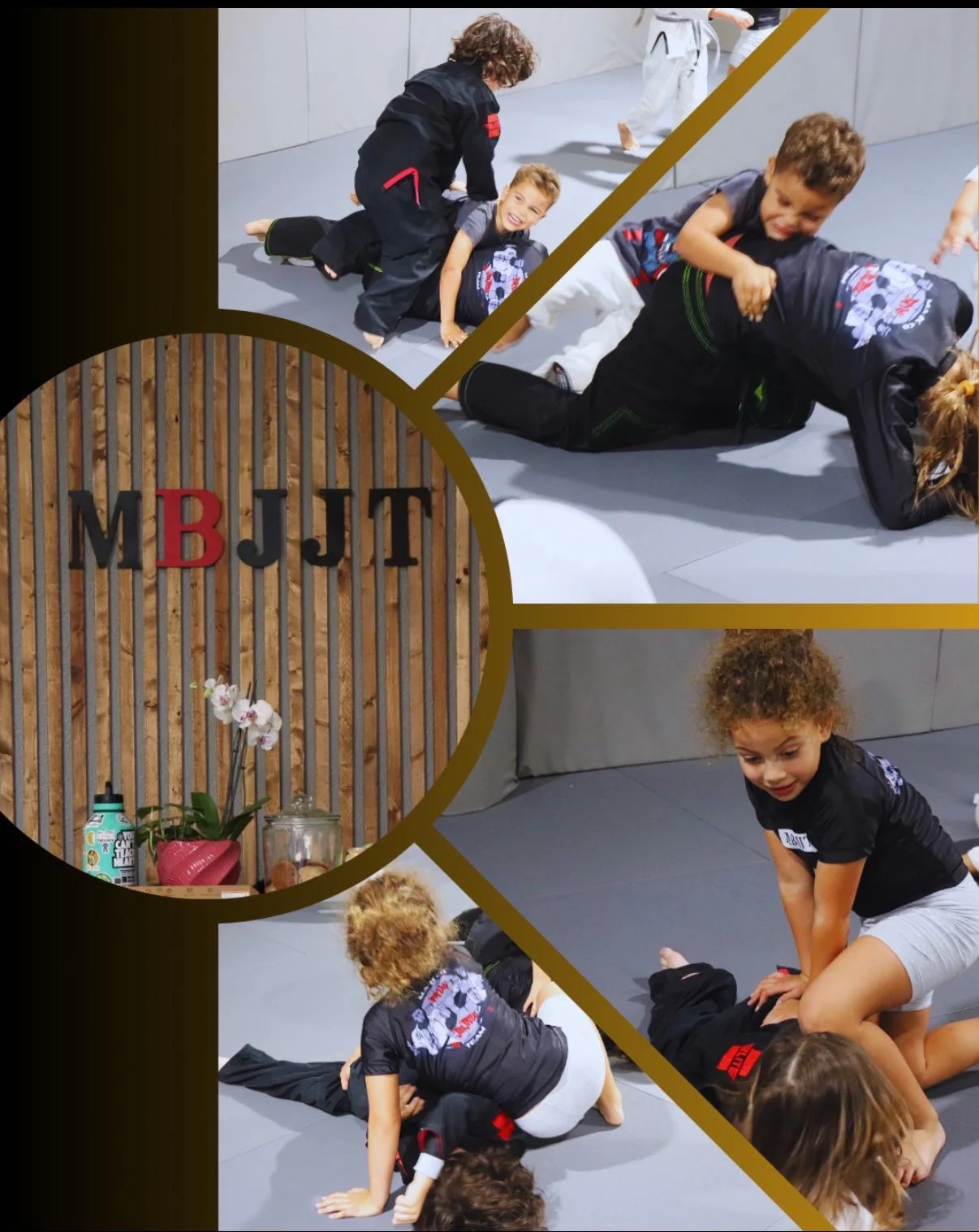
A good beginner program removes most of the intimidation factor before it ever becomes a problem. Fundamentals classes are built specifically for people with zero background, instructors walk you through positions step-by-step before any live rolling ever happens, and most academies loan you a gi for your first few visits so you do not need to buy gear before you even know if you like it. Nobody is going to throw a brand-new student to the wolves — a good academy's entire culture is built around developing beginners, not weeding them out. If you are looking into Adult Fundamentals BJJ classes, this is exactly the kind of environment you should expect: a curriculum paced for people who have genuinely never grappled before.
How Long Until It Starts to Click
Most students report the first real "aha" moment somewhere between the third and eighth class, once a couple of positions start to feel familiar instead of chaotic. Around the one-month mark, most beginners stop panicking every time they end up on their back and start actually recognizing the position. You will not look like an expert, but you will notice the panic fading and real technique starting to take over. That is usually the point where training stops feeling like survival and starts feeling like fun — and it's also around when most new students at our BJJ Tampa academy start showing up because they want to, not because they feel like they have to.
What to Actually Expect From Your First Class
Show up a little early, wear comfortable athletic clothes (a gi is usually provided for trial students), and expect a warm-up, a handful of technique breakdowns, and light, controlled partner drilling. Most academies ease brand-new students into live rolling gradually rather than throwing them straight into hard sparring on day one. Your instructor's job in that first class is not to test you — it's to make sure you leave feeling like you could realistically come back a second time. Good coaching, not raw athleticism, is what determines whether beginners stick around.
Tips for Surviving (and Enjoying) the Beginner Phase
- Tap early, tap often. Tapping is not losing — it's how you get to train again tomorrow.
- Show up on a schedule, not a mood. Consistency in the first three months matters far more than intensity.
- Ask questions after class. Coaches at any good Tampa Jiu Jitsu gym want to see beginners engage, not just survive silently.
- Expect to feel behind for a while. Everyone in the room felt exactly the way you feel right now at some point.
Why the Effort Is Worth It
Ask anyone who has trained for a year why they stuck with something that humbled them constantly in the beginning, and you will hear a similar answer: it never actually stops being challenging, but the specific way it challenges you changes. Instead of just surviving, you start hunting for particular sweeps, chasing specific submissions, and helping newer students the way someone once helped you. That shift usually happens faster than people expect once they get through the first few months, especially when they are training with a team that actually wants them to improve.
The Bottom Line
Yes, BJJ is hard for beginners — but it is hard in the way that anything worth learning is hard, not in a way that locks people out. Consistency beats talent in the first year of training. If you show up, stay coachable, and give yourself permission to be bad at it for a little while, the hard part passes faster than most people expect. The best way to find out is to walk onto the mats yourself and try a free class at our Adult Fundamentals BJJ program.
Beginner BJJ FAQ
Yes, in the sense that everyone feels lost and gassed out in their first few classes. But "hard" does not mean "not for you" — good academies structure fundamentals classes so brand-new students are never thrown in against experienced grapplers, and the learning curve gets dramatically easier after the first month.
You can pick up isolated moves from videos, but BJJ is fundamentally a partner sport built around live, resisting feedback. Without a coach correcting your details and training partners to drill and roll with, most self-taught habits turn into bad habits. A structured beginner class gets you real skill far faster and far more safely.
It is the idea that roughly 80% of your results come from a small core of fundamental positions and movements — things like base, posture, hip escapes, and a handful of high-percentage submissions and sweeps. Beginners who obsess over flashy, low-percentage techniques progress slower than beginners who drill the fundamentals until they are automatic.
The most common reasons are ego (getting frustrated with being tapped by smaller, newer training partners), inconsistent attendance that stalls progress, and never pushing through the awkward beginner phase long enough to feel real improvement. Training with a supportive, beginner-friendly team dramatically improves the odds of sticking with it.
More From The Blog
 Benefits
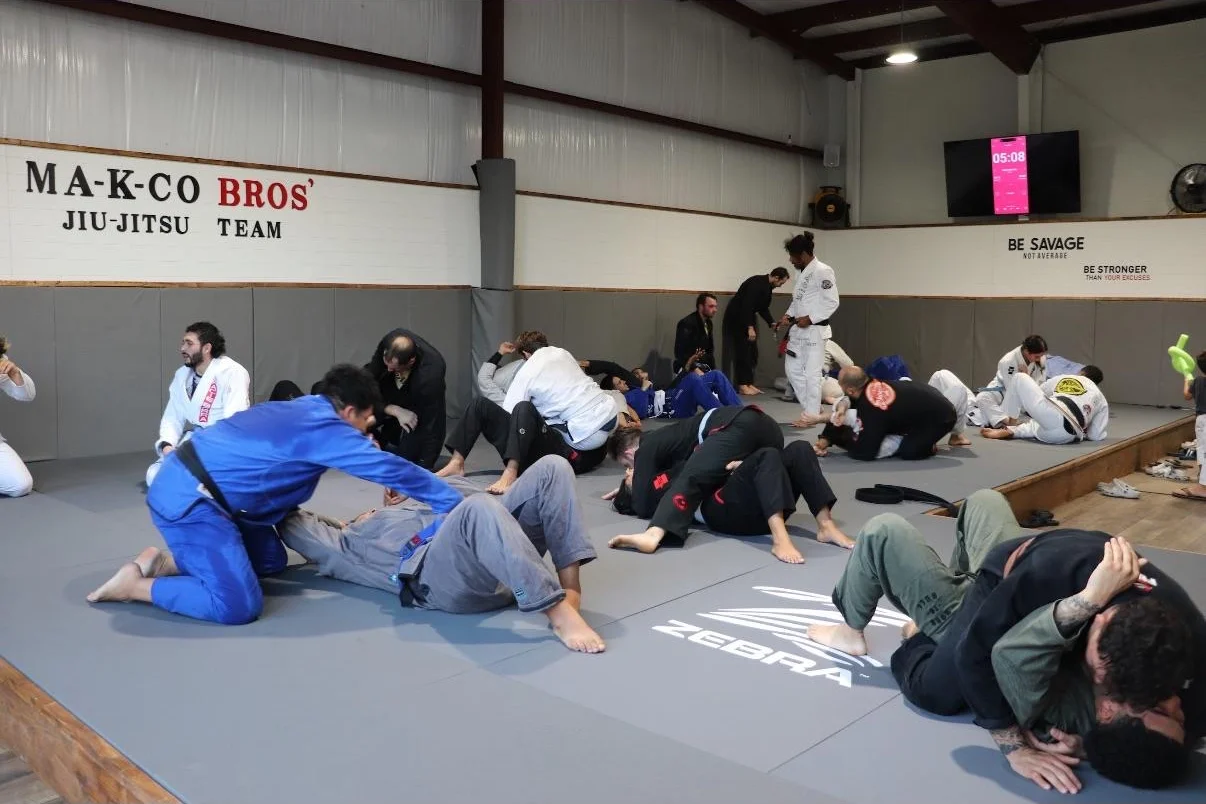
7 Real Benefits of Brazilian Jiu-Jitsu (Beyond Just Fitness)
What BJJ actually does for your body and your stress levels, and how much training it really takes to feel the difference.
Read More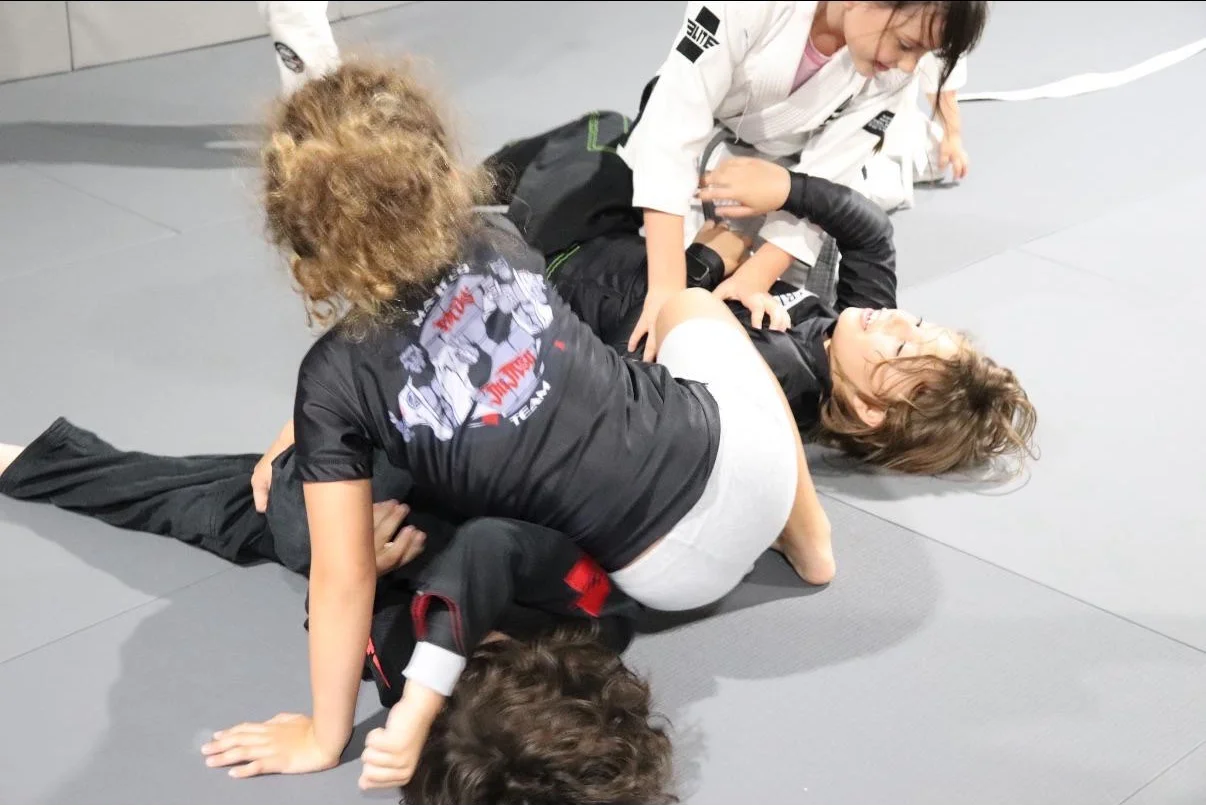 Kids BJJ
Is Jiu-Jitsu Worth It for Kids? Benefits & Age
From anti-bullying skills to real discipline, here is what parents should know before enrolling a kid in Jiu-Jitsu.
Read More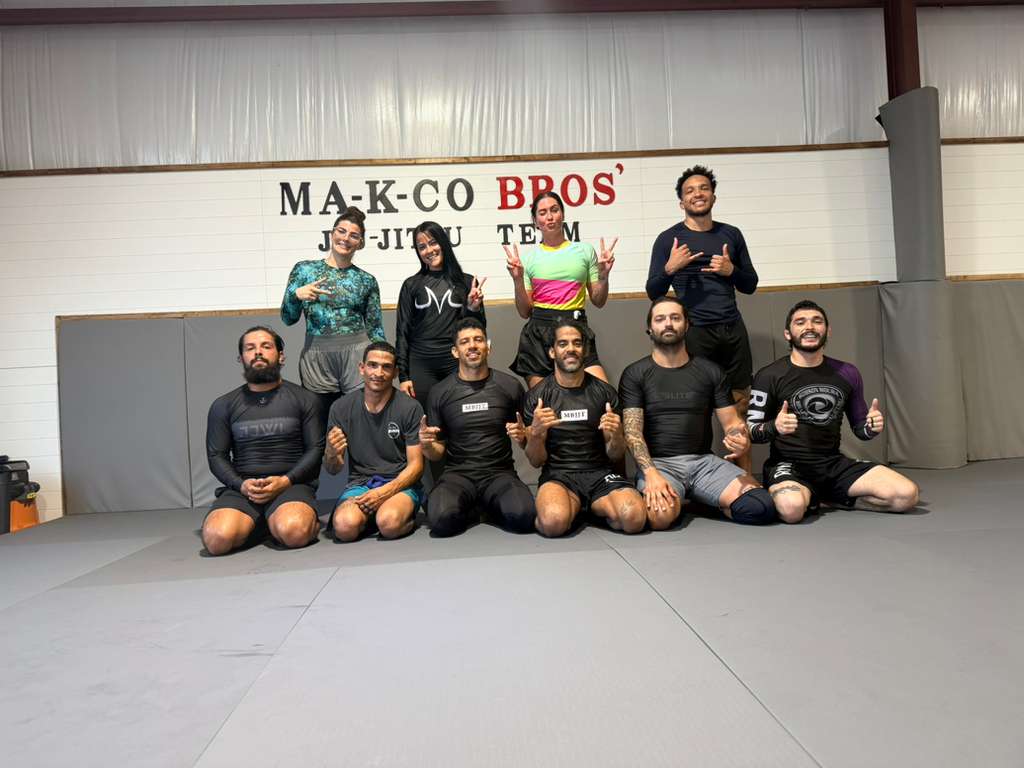 Training
Gi vs No-Gi Jiu-Jitsu: Which to Try First?
Grips, pace, and realism: a breakdown of how gi and no-gi training differ and which one fits your goals.
Read MoreClaim Your Free Trial Class
One free class. No contract, no pressure, no sales pitch on the mat. Tell us a little about yourself and we'll get you booked into the right class.
- A free, no-obligation trial class in the program that fits you
- Loaner gi available — just show up in comfortable clothes
- Beginner-friendly coaching — you will not get thrown to the wolves
- No contracts. Month-to-month, cancel anytime.
You're Booked In Spirit!
Thanks — we got your request and we'll reach out within one business day to lock in your free class. Can't wait? Call us at (813) 819-6652.
Your First Class Is On Us
Walk in a stranger, leave part of the team. Book your free trial or call the academy directly — we'll get you on the mats this week.
(813) 819-6652